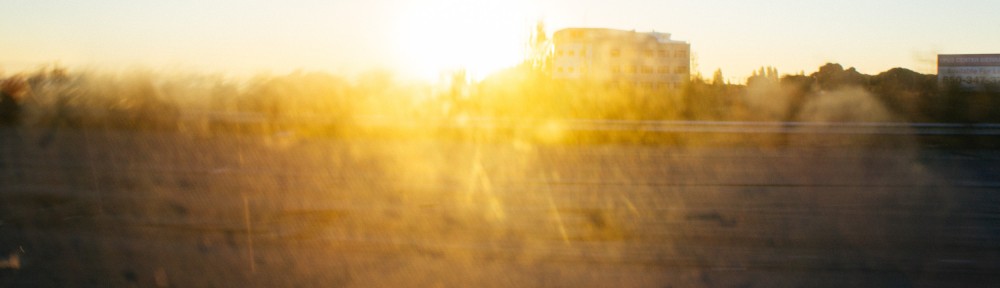
High ISO Today. A Reality Check.

NIKON D2H (24mm, f/8, 1/1500 sec, ISO6400)

It seems that today everybody is obsessed with high ISO. If you look at the forums you got the impression that no images are taken below 3200 ASA. But is it real? Did we all return into the caves we came from “some years” ago? Or have we become vampires and leave our houses or travel only when it’s dark outside? I think it’s time for a reality check. Continue reading

The Art Of Traveling Light ( part II / Great Modern Times )

FinePix X100 (23mm, f/2, 1/60 sec, ISO800)

As photo enthusiasts we are living in wonderful times. Just think about what camera you were using 10 years ago. Maybe you were already shooting digital. Maybe you were an early adopter and already using a DSLR. I did. A Nikon D1. A pro camera with a 2,7MP APS-C sensor with an max ISO-setting ISO 1600 but I really did not like to go there. I preferred to stay at ISO 200. The screen on the back was small. There was no loupe or histogram so it was rather there to check whether an image was recorded or not.

Why I’m telling you that? Continue reading

The Art Of Traveling Light ( part I / Pre CLC Times )

DMC-FX100 (7.4mm, f/3.1, 1/320 sec, ISO80)
DMC-FX100 (6mm, f/2.8, 1/320 sec, ISO80)

As promised here are my experiences of my last vacation. The first one where I did not bring a DSLR and a punch of lenses. How was it? How does it feel when you encounter the perfect location in perfect light and your best gear sits at home?

Most enthusiastic photographers are gear heads. Continue reading

NEX or X? ( Sony NEX vs Fuji X part II )

Part II deals with AF, overall performance and handling.

Let’s start with:

1. AF ( autofocus )

Both are no real AF heroes but they are completely different. The NEX feels snappier, has more AF points active at the same time and has face detection. AF is best with the 16mm or with the 18-55 kit lens on the wide end. Zoom in and AF get’s slower and in low contrast situations there is focus hunting. But AF is good enough for everything but action and reliable most of the time. Sometimes it misses for no reason and you got an out of focus shot.
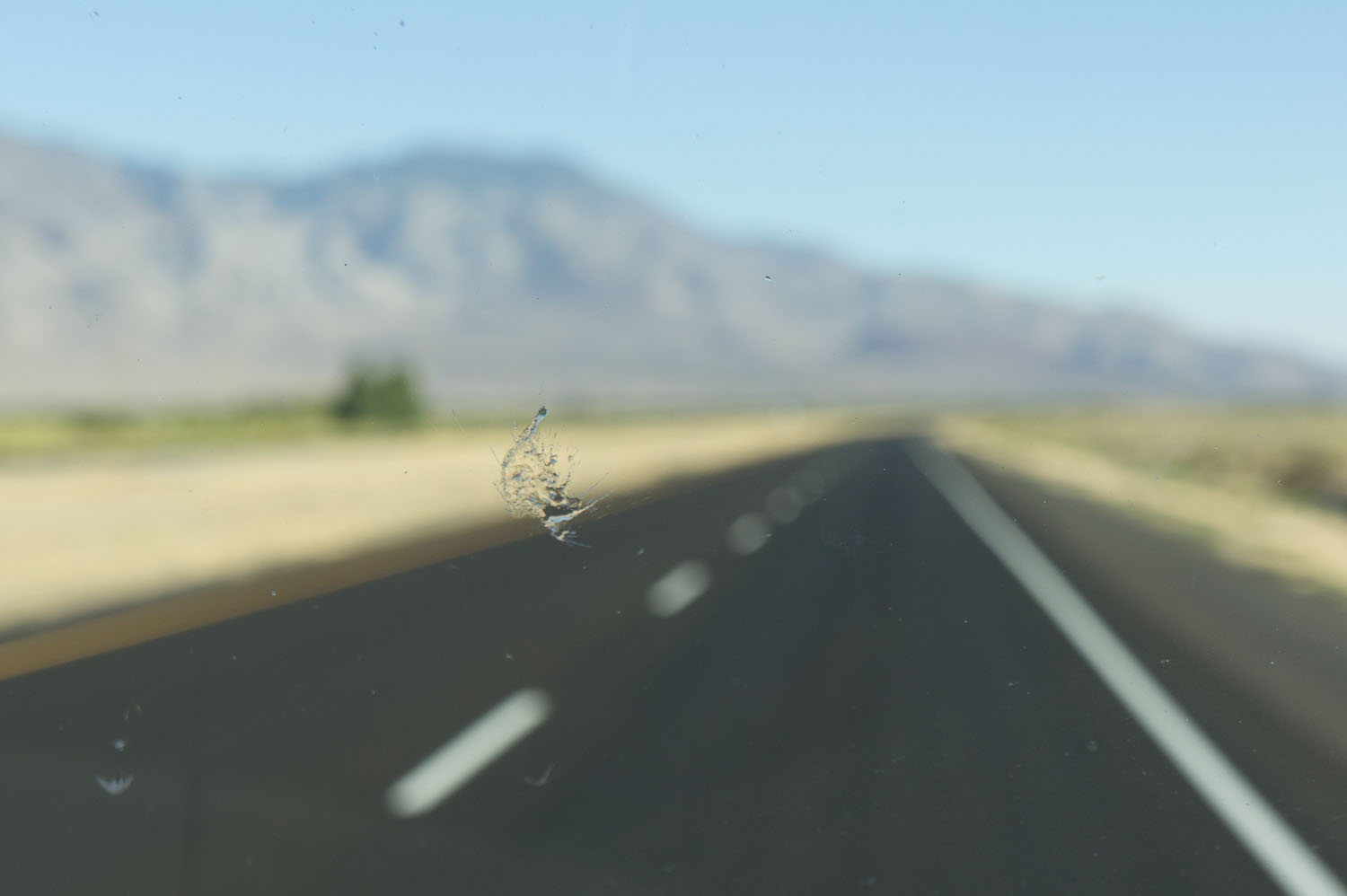
NEX-5 (55mm, f/8, 1/250 sec, ISO200)

This is not an example as focus is spot on ( on the remains of a dead insect on the windscreen ) but an out of focus shot looks similar to that. But the NEX is fast enough to shot images while driving. I guess that the NEX 6 AF is vastly improved because of the on sensor phase detection. If the Alaska video is real it is able to track a low flying plane. We will see.

The Fuji is different. Continue reading

NEX or X? ( Sony NEX vs Fuji X part I )

Within the next couple of weeks two very special mirror less cameras will hit the street: the Sony NEX 6 and the Fuji X-E1. At first glance both cameras have a lot in common: 16MP APS-C sensor, EVF, small bodies with built in flash and both come at a similar price. So it is not easy to decide which camera to choose. Well, I don’t think so. Both are completely different. But how do I know when both cameras do only exist on the web?

FinePix X100 (23mm, f/2, 1/60 sec, ISO2500)

I got a Sony NEX 5 in 2010 and shot over 7.000 images with it so far. I also got a Fuji X100 in 2011 and until today I have made about 7.500 pictures with this camera. It’s save to say that I know both cameras very well. Both have their strong points and both have their weaknesses. I want to give you an impression about how it feels to take images with them. Continue reading