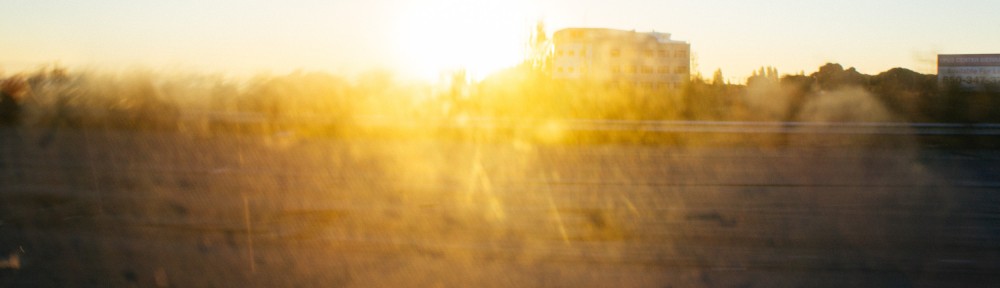
 NIKON Z 8 (18.5mm, f/5.6, 1/125 sec, ISO64)
One of the first outings with my new Nikon Z8 and the Z 14-24/2.8 S. I have to admit that I’m still a little overwhelmed by that camera.
The last 8 years I shot exclusively with Fuji X, mainly with the X-Pro2. Now I’m back to Nikon and despite the fact that the Nikon Z8 has no mirror it still feels a lot like the big Nikon DSLRs that I used to shoot with 20 years ago. Only that the Z8 has 10-20 times the resolution, much better high ISO, bigger dynamic range, vastly superior AF and frame rate. So same-same but different.
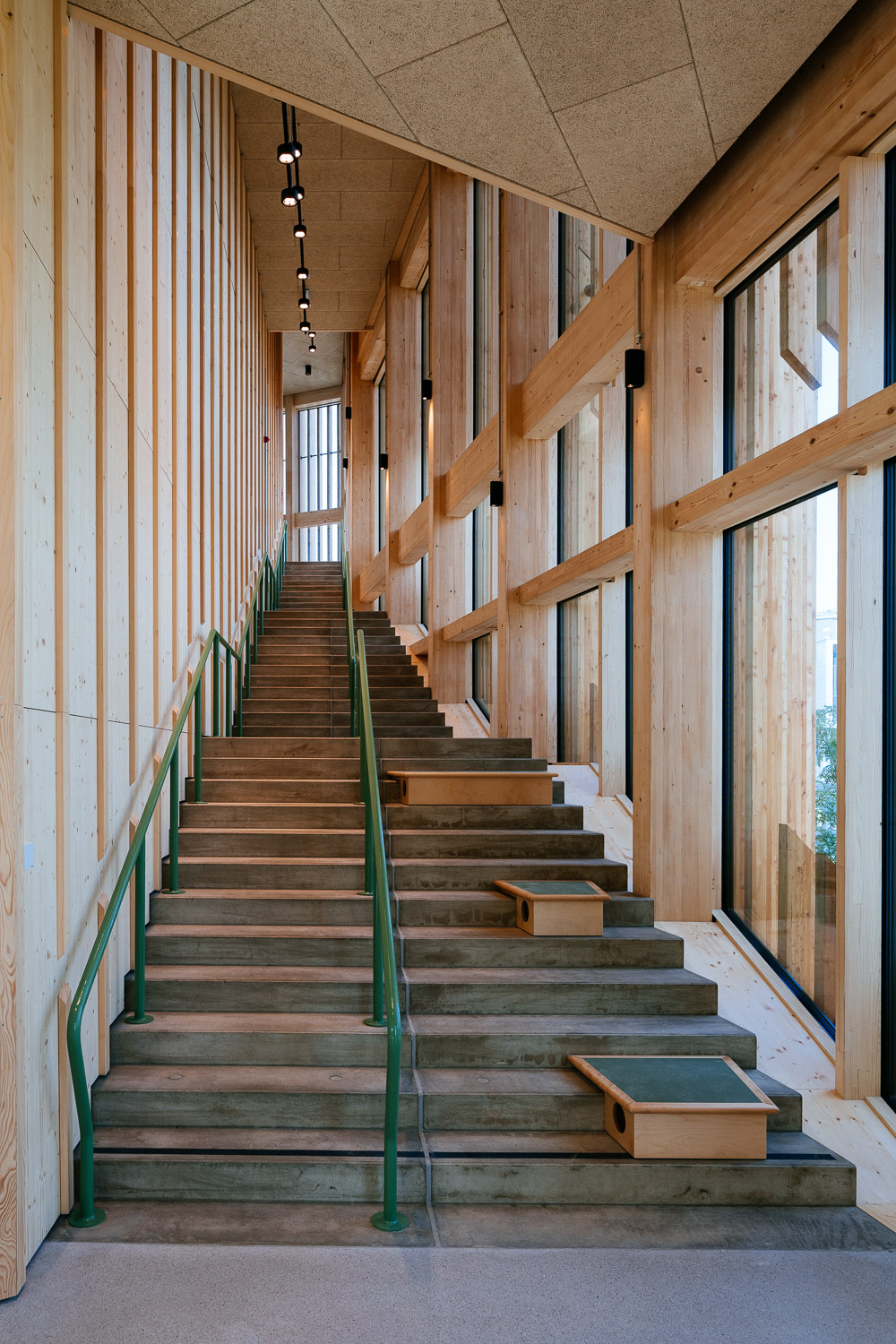 NIKON Z 8 (23mm, f/8, 1/50 sec, ISO220)
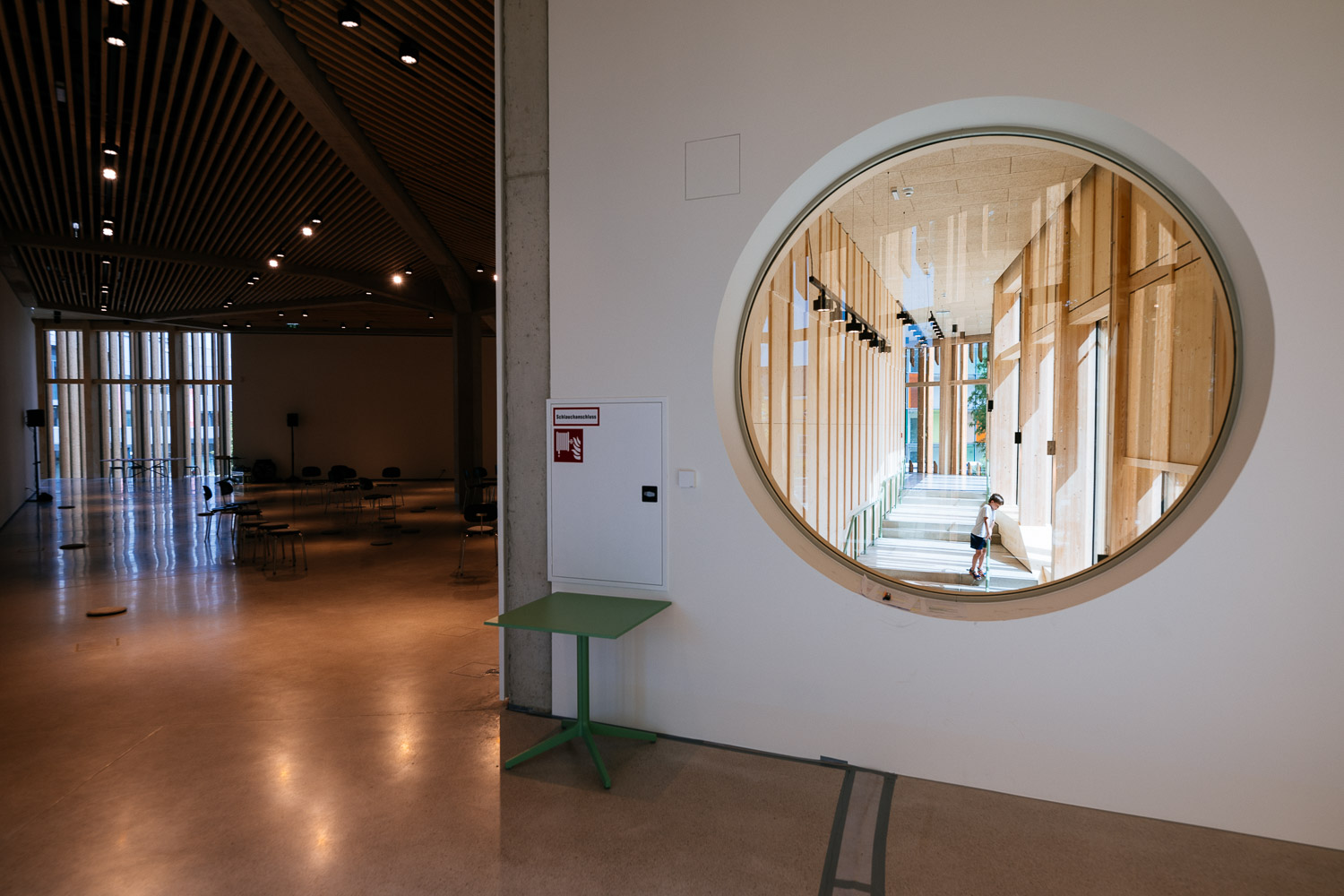 NIKON Z 8 (20mm, f/5.6, 1/60 sec, ISO64)
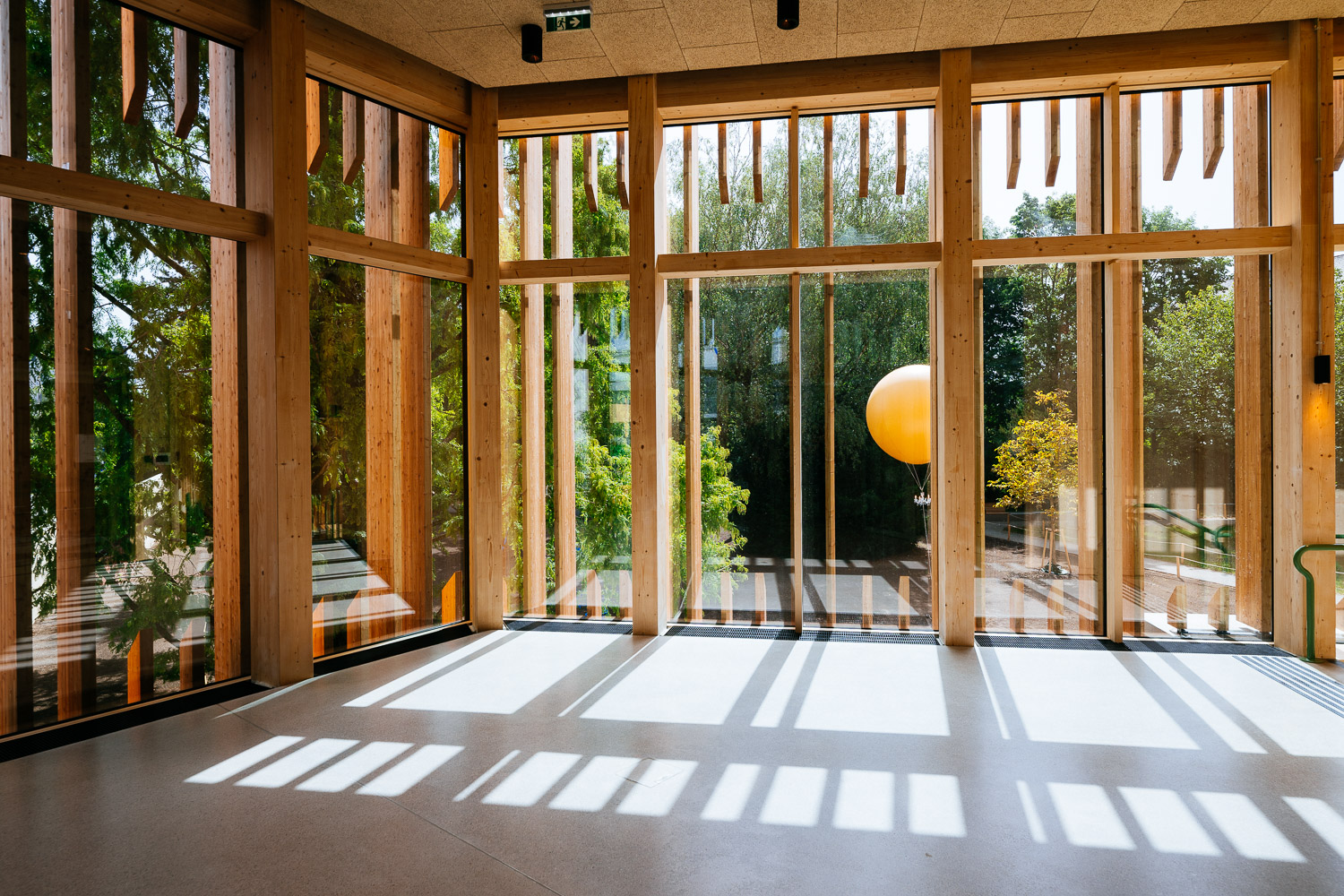 NIKON Z 8 (20mm, f/5.6, 1/125 sec, ISO64)
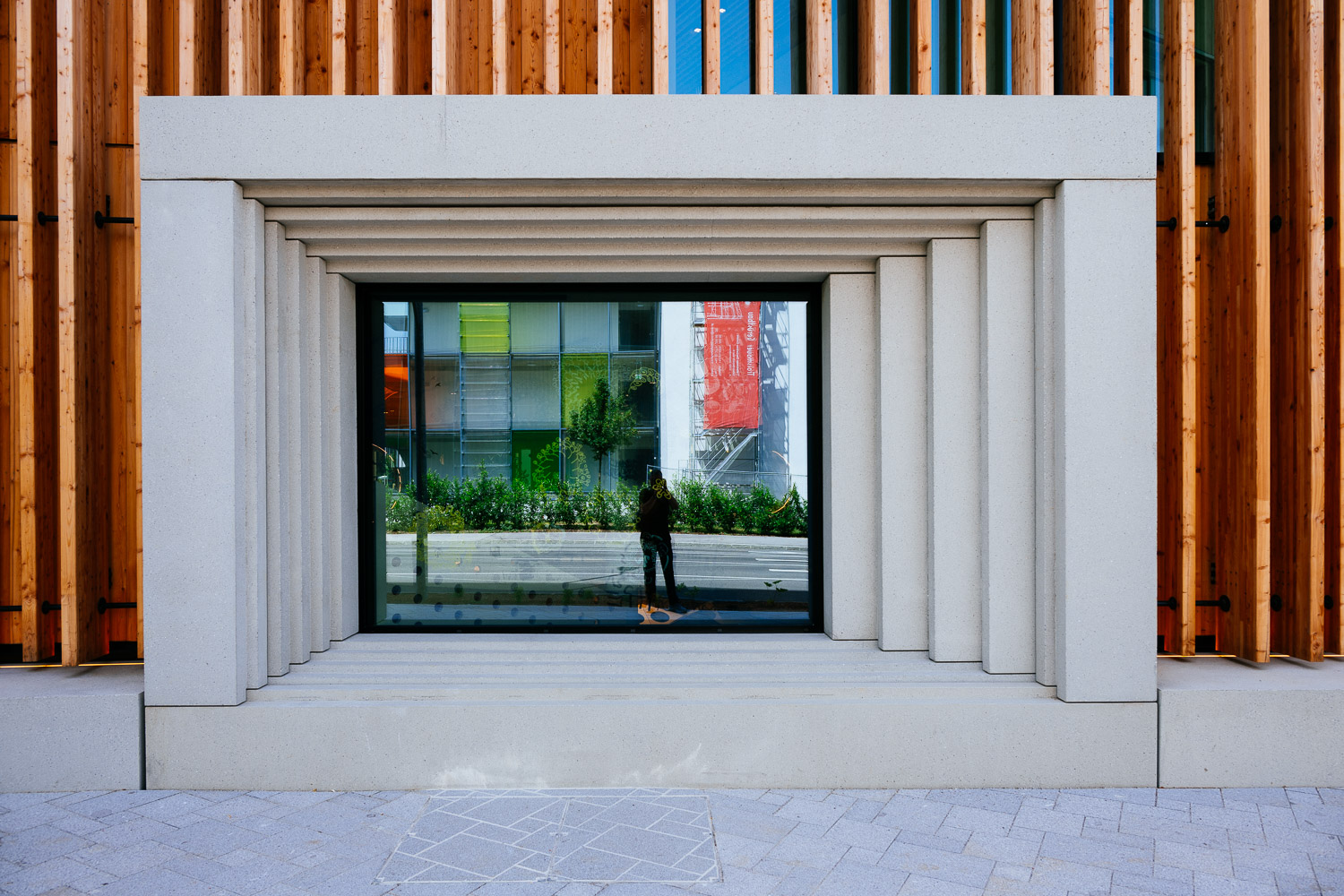
But first some words regarding the location, the KinderKunstLabor. A place where children can experience and make art. There was an open house event where people could visit and see the new building before the KinderKunstLabor goes into operation. Mostly parents visited but I’m into architecture and I have a new camera so I went there too.
Inside the building it was a no-brainer which lens to use but I have to admit that I’m still getting used to the Z 14-24/2.8 S. That’s not the fault of the lens, the lens is excellent. Sharp even wide open and from f4 sharpness is the corners is very good too. This is the best ultra-wide angle zoom that I have ever used. But even though 21mm was my favourite and most used focal length for the last 8 years I still have massive problems to adjust to ultra wide. So much so that I meanwhile also bought the Z 20/1.8 S second hand. Sure I could use the zoom at 20mm all the time but I think it is easier to simply use the prime lens instead. The Z 14-24/2.8 S will be fantastic for landscapes but for architecture and for street photography I will prefer the 20mm prime.
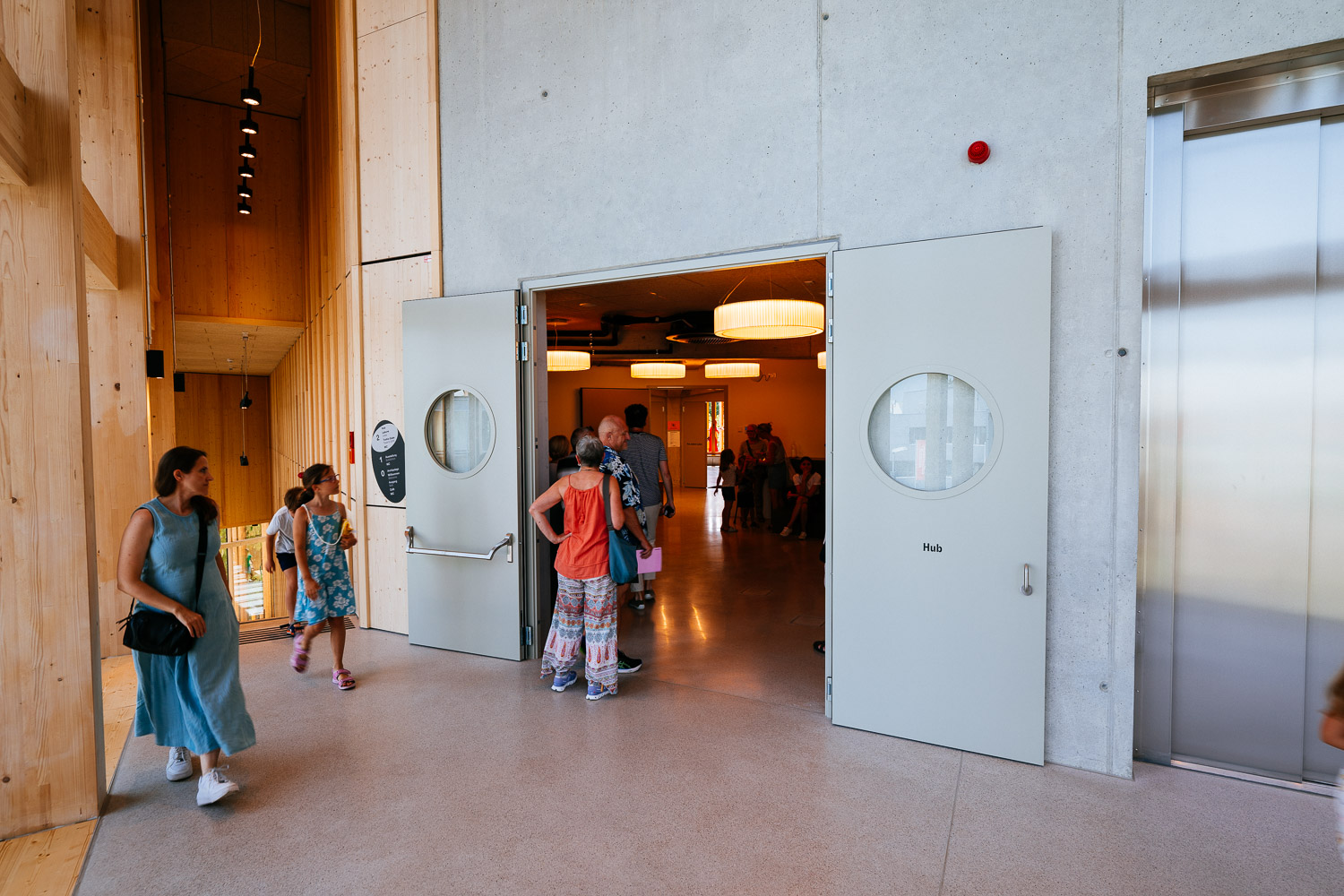 NIKON Z 8 (18.5mm, f/5.6, 1/40 sec, ISO72)
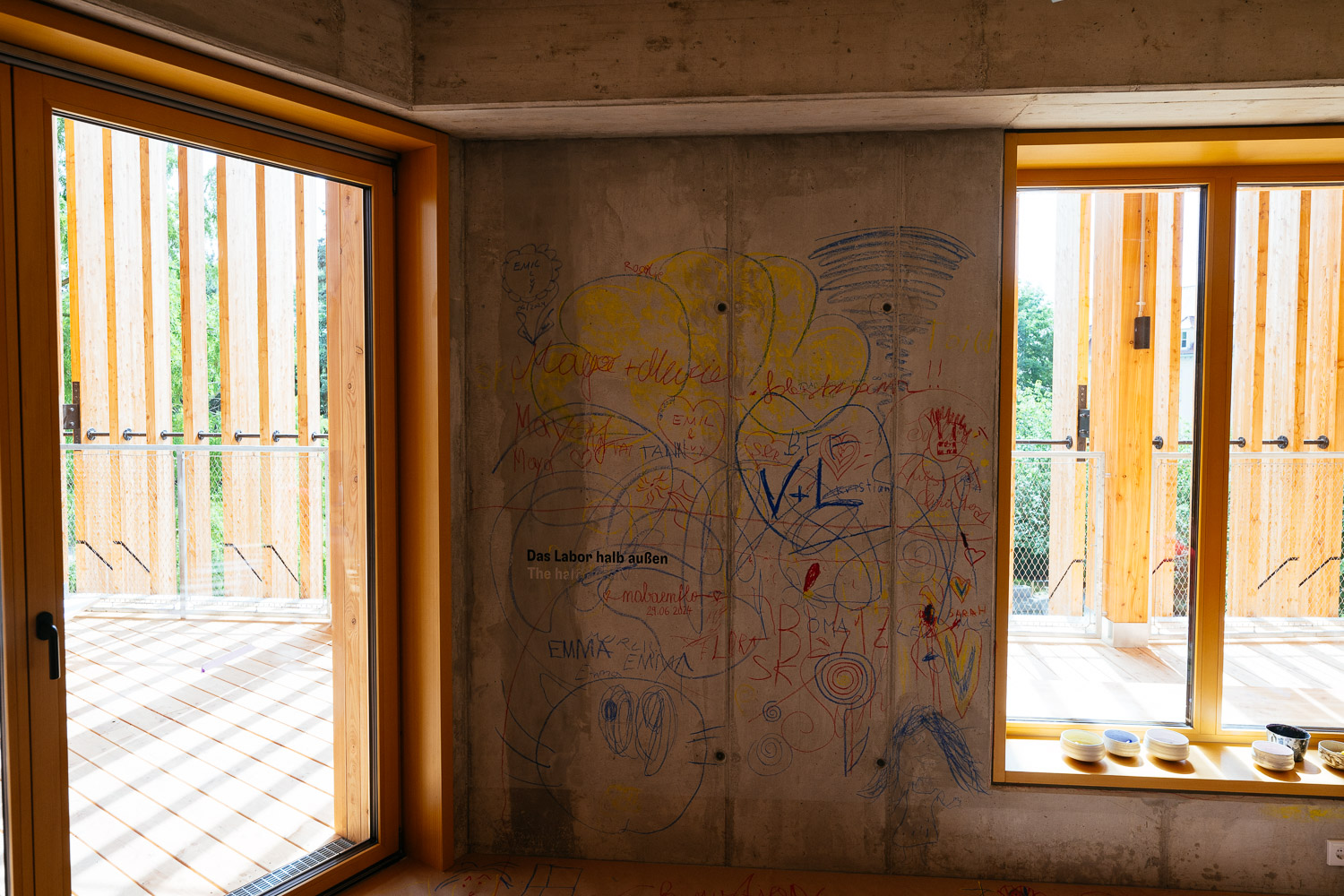 NIKON Z 8 (21mm, f/5.6, 1/125 sec, ISO200)
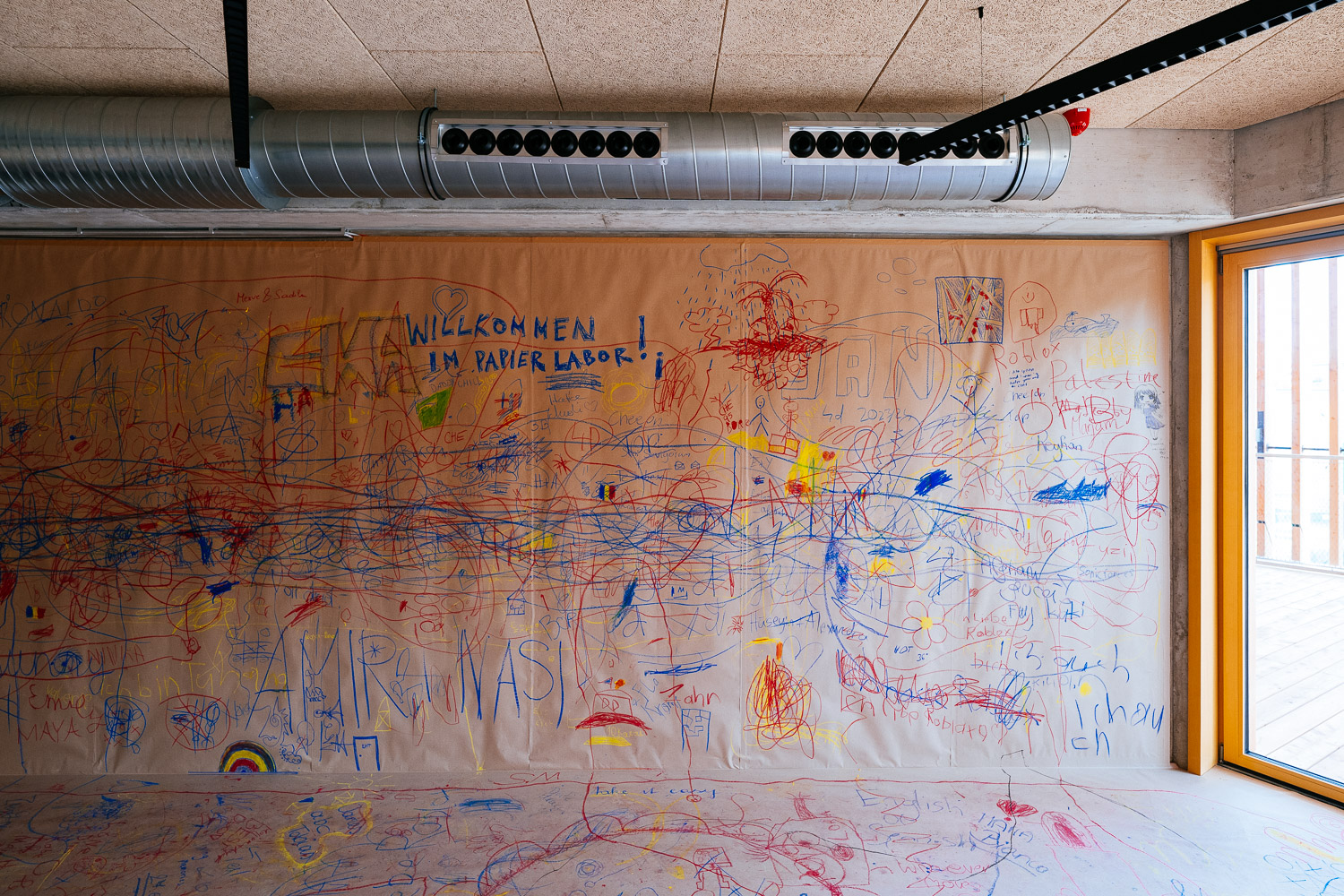 NIKON Z 8 (18mm, f/5.6, 1/40 sec, ISO640)
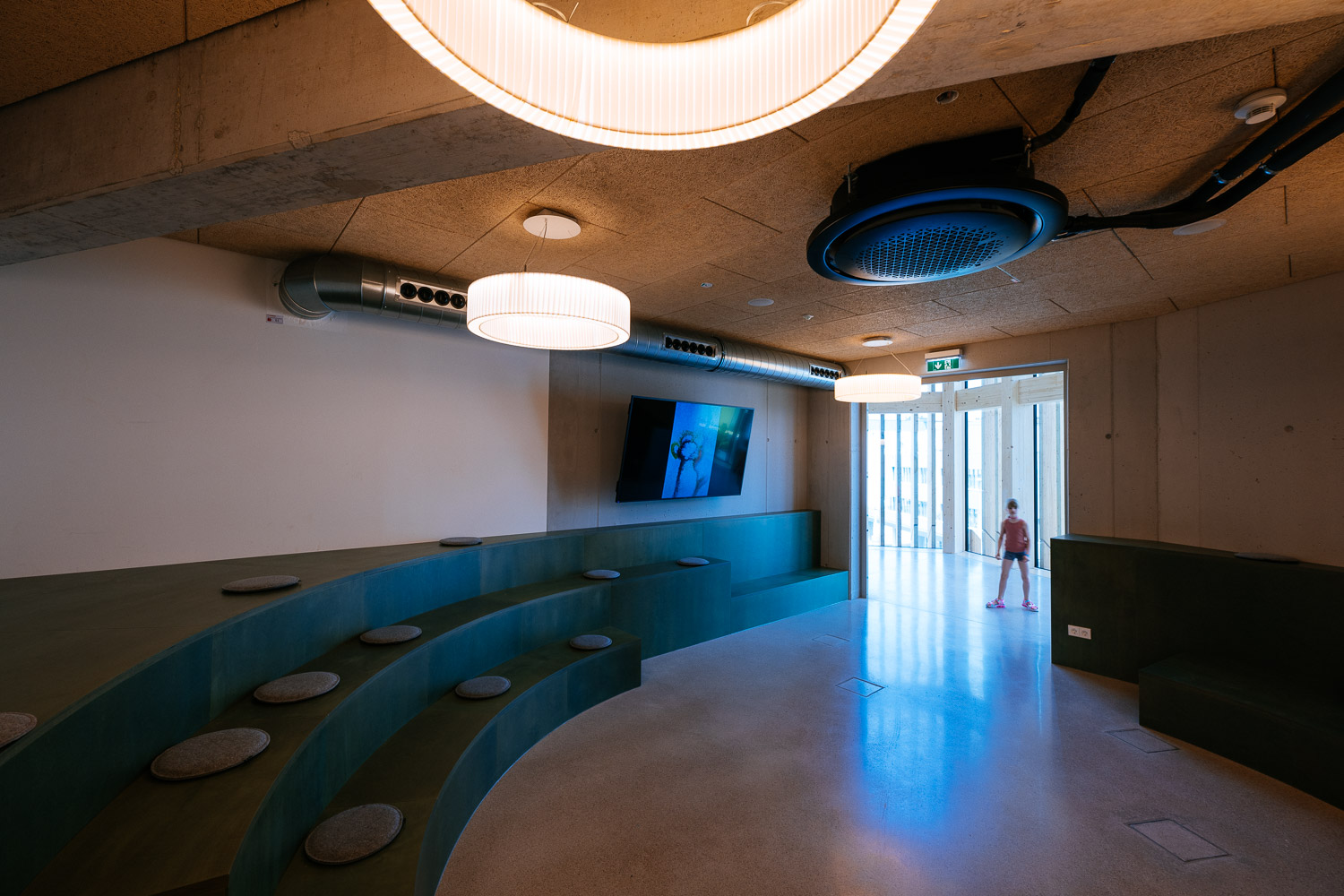 NIKON Z 8 (14mm, f/5.6, 1/30 sec, ISO180)
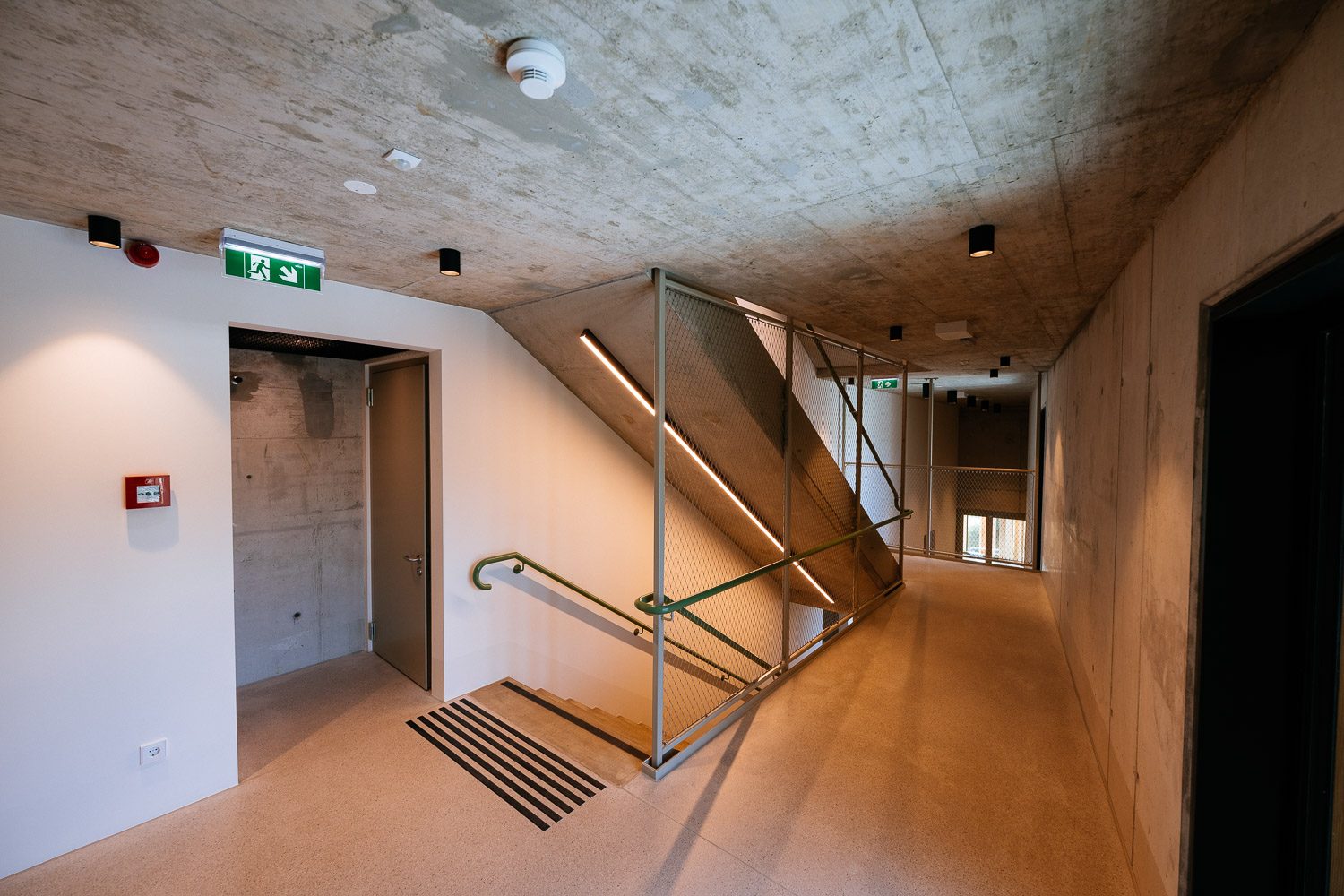 NIKON Z 8 (14mm, f/5.6, 1/30 sec, ISO280)
The quality of the lens is fantastic. Color and contrast pop so much that it almost seems that the RAW files have been processed already. Those files need very little post processing. I would need a focal length limiter on this lens to avoid to get below 18mm. Even though I know that 14mm doesn’t work most of the time somehow I always try to make it work. Because why have a 14-24 lens if you never go below 18mm.
In my experience every lens requires a learning curve. No matter if we talk about a super tele, a portrait lens or a wide angle. I just think that the learning curve is steeper the shorter the focal length gets. Photography is about subtracting as much as possible from the frame. That’s easy with a super tele or a fast portrait lens where you can select a very small portion of the scene and where you can throw the background out of focus with a fast aperture. With a short lens your scene is huge and the depth of field is massive too. And if you go below 20mm you have to deal with a massive perspective distortion. I love wide angle lenses but they are tricky to shoot.
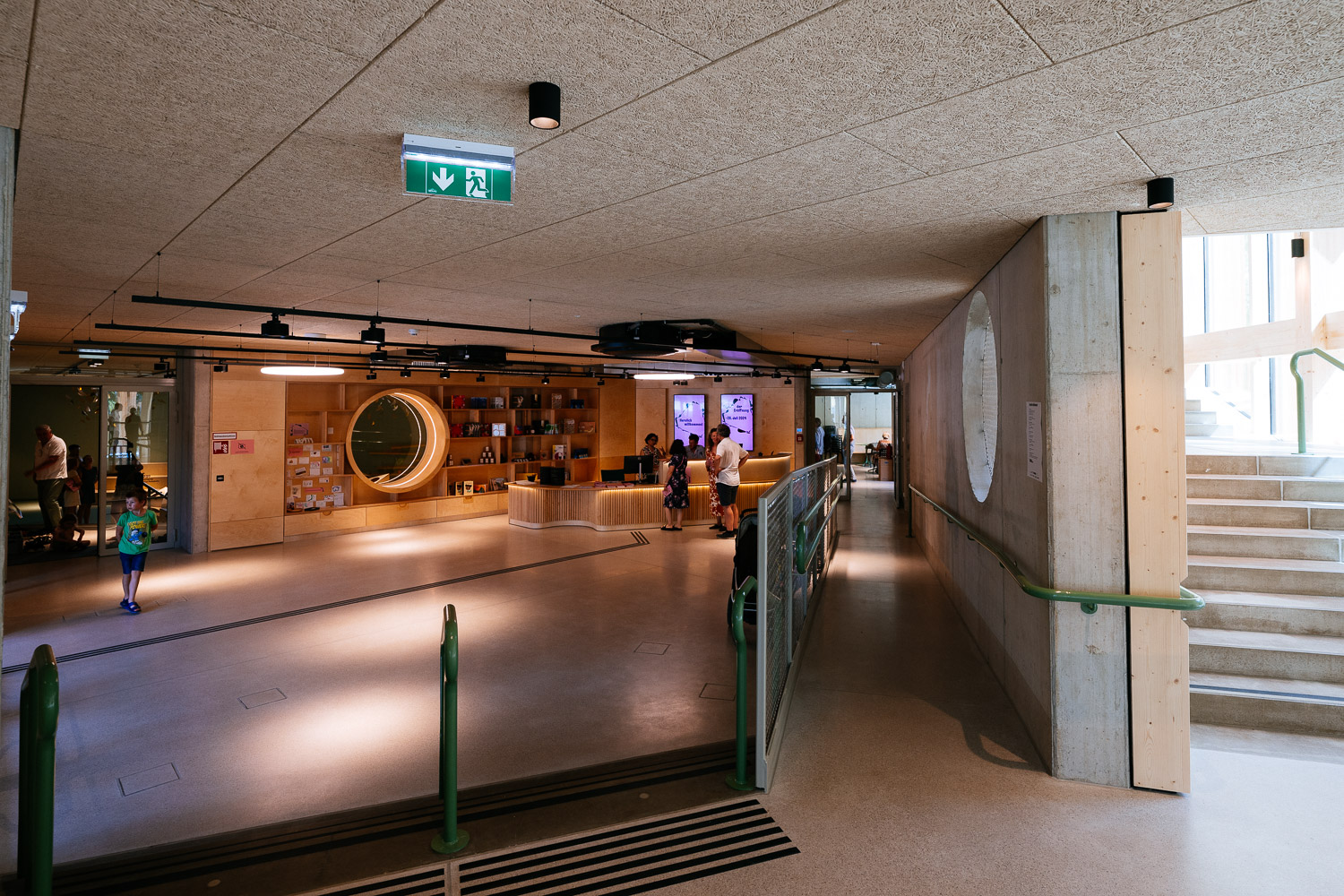 NIKON Z 8 (18mm, f/5.6, 1/40 sec, ISO320)
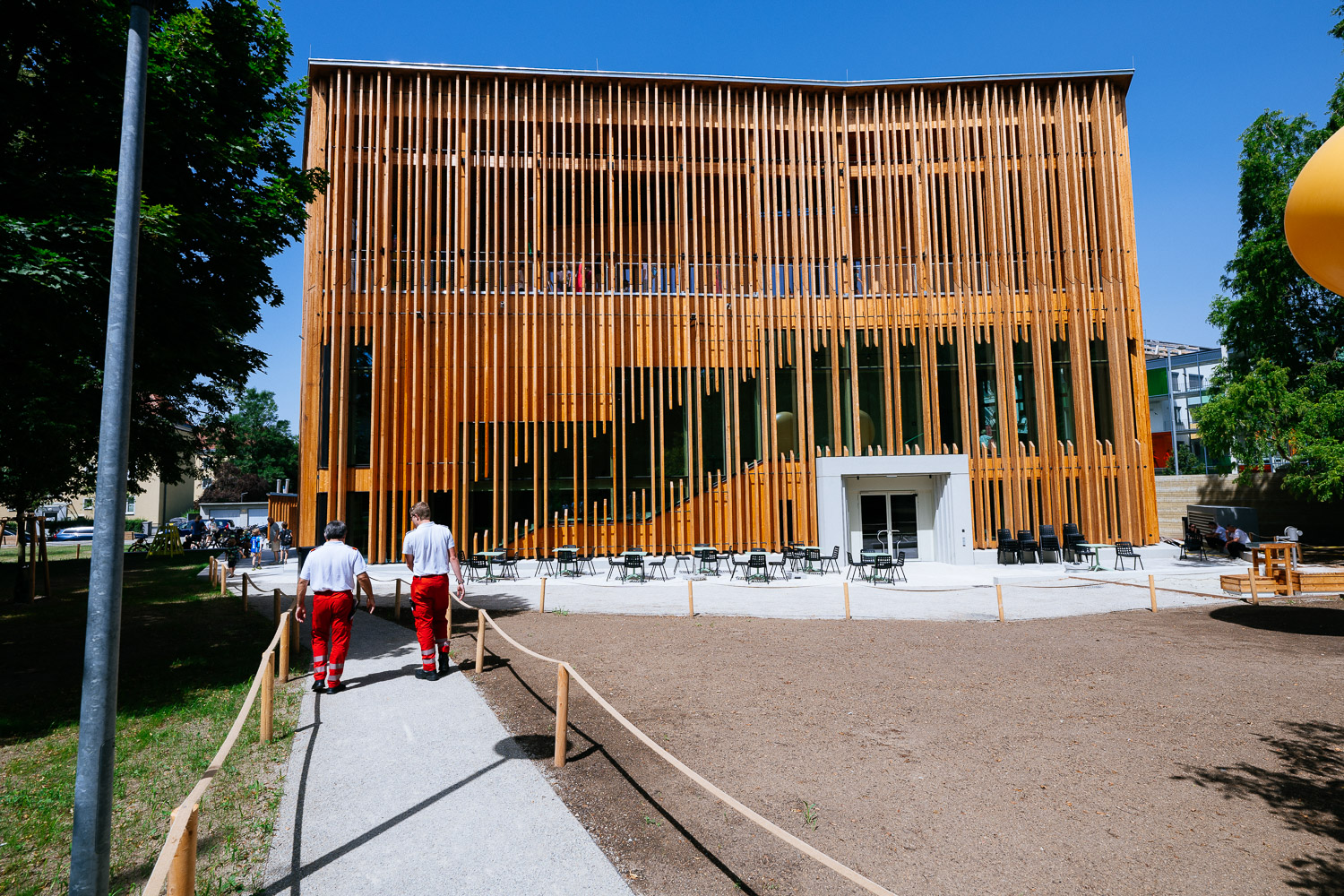 NIKON Z 8 (16.5mm, f/8, 1/125 sec, ISO64)
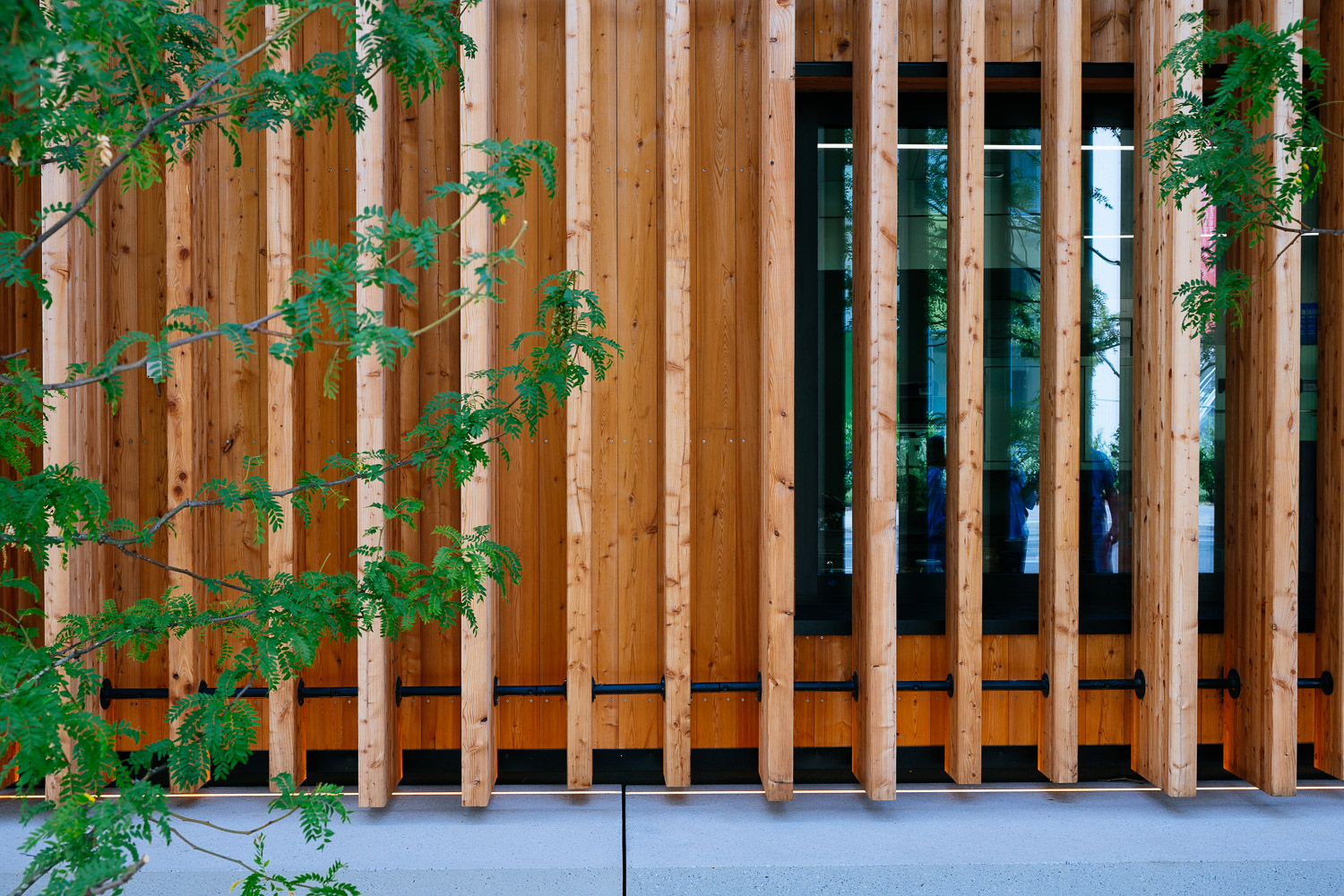 NIKON Z 8 (39mm, f/5.6, 1/80 sec, ISO110)
When we left the building to go for lunch I switched to the Z 24-120/4 S. Another great lens from Nikon. Sharp at all focal length and even wide open. The best f4 standard lens that I have ever used. The new Z-mount really works. Nikon went from the smallest to the biggest mount in the industry and the advantage is obvious. Images are sharp throughout the whole frame even in the corners. I really love my new camera and even more so its lenses.
What’s the deal with the title of the+is blog post? My big ass camera attracted attention from the staff and a young lady informed me that I must not take any images of the children. Luckily I was able to ensure her that I’m not a pervert and that I’m only interested in the architecture. And it’s the title of a song too of course.
 NIKON Z 8 (24mm, f/5.6, 1/60 sec, ISO64)